Trade test for Australia job: the DMW rules say your employer pays
Tips · 2026-11-15 · 8 min read
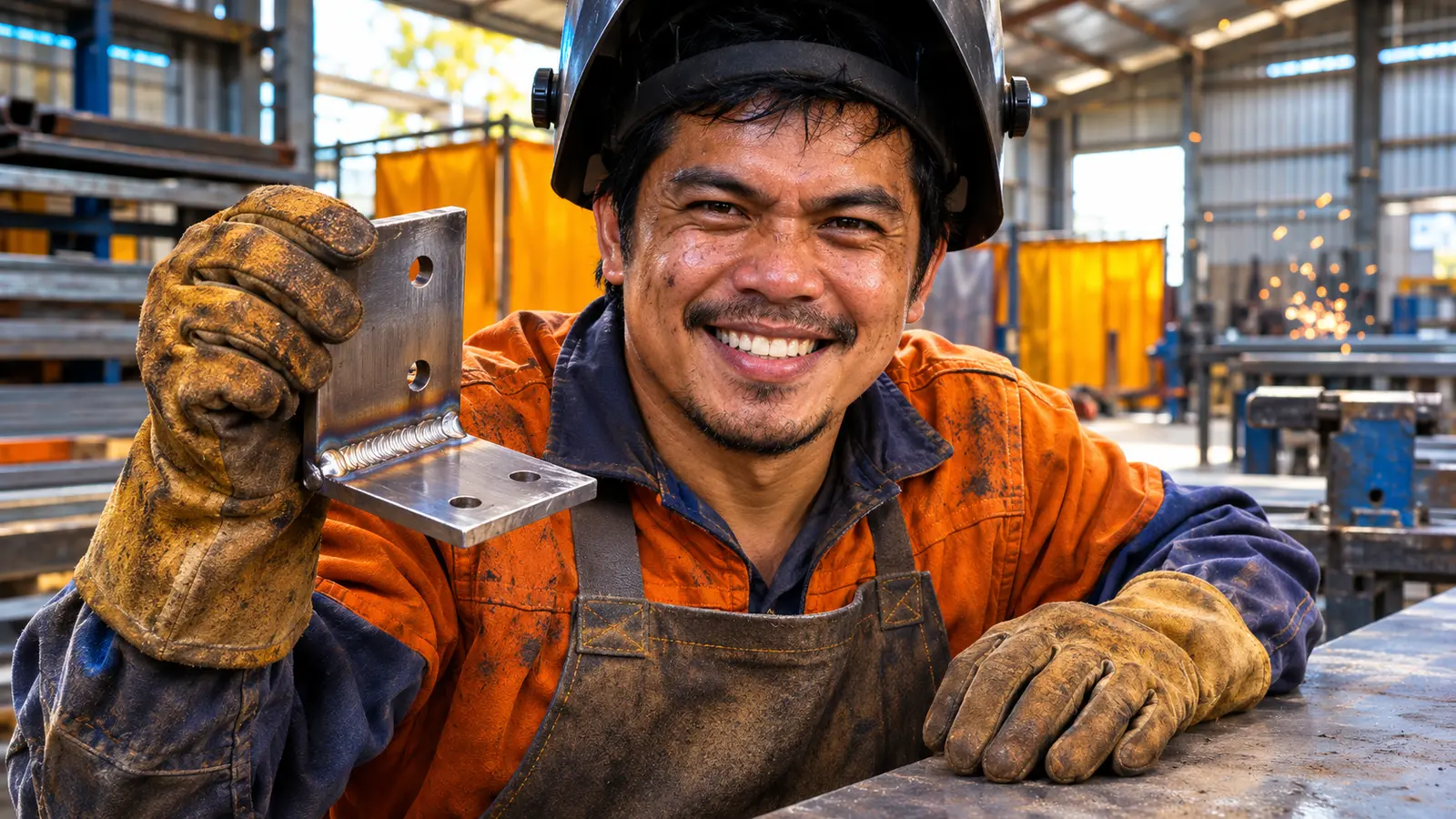
If you are chasing a trade test for an Australia job, the first thing to know is who pays for it: under the 2023 DMW rules, the employer pays any extra trade test it requires, not you. The test is a practical check of how you work, usually after a video interview, and it is separate from the formal skills assessment some visas need. This guide shows what employers tend to ask welders, chefs and electricians, how to prepare, and where a "test" turns into a scam.
Why employers run a trade test at all
An employer hiring from overseas cannot watch you work, so a CV and certificates only go so far. Subclass 482 applicants must have at least 1 year of relevant work experience in the nominated occupation or a related field, gained within the last 5 years, and the test is how an employer sees that experience in action.
PinoyAbroad's About page describes the usual flow: shortlisted candidates interview with the employer, usually by video call, some roles also include a practical or trade test, and if the employer offers the job they sponsor the work visa while you prepare your own documents. If you want the full interview side, read our guide to interview tips for Australian employers.
Who pays: the DMW rules in plain words
The DMW's 2023 rules split the costs clearly. You, kabayan, pay documentation costs such as your passport, NBI, police or barangay clearance, PSA birth certificate, school records, PRC licence, TESDA certificate and the DOH-prescribed medical exam, plus PhilHealth, Pag-IBIG and SSS membership. The employer pays the visa and stamping fee, work and residence permits, round trip airfare, transport from the airport to the jobsite, the DMW processing fee, the OWWA membership fee and any extra trade test it requires. You can read the full circular on the DMW website.
| Cost | Who pays under the 2023 DMW rules |
|---|---|
| Extra trade test the employer requires | Employer |
| Visa and stamping fee, work and residence permits | Employer |
| Round trip airfare and airport-to-jobsite transport | Employer |
| Passport, NBI or police clearance, PSA birth certificate, medical exam | Worker |
| PhilHealth, Pag-IBIG and SSS membership | Worker |
The same rules state that no other fees in any amount, form or purpose shall be charged to the OFW beyond those listed. Our guide to DMW licensed agency verification explains how to check who you are dealing with before you pay anyone.
What welders, chefs and electricians are usually asked
Every employer designs its own test, and nothing in the official sources fixes one format, so treat the points below as preparation habits, not a script. What they have in common is that they show real hands-on skill in the occupation on your job ad.
Welders
Expect questions on the processes you list on your CV, how you read a drawing, how you set up and check your work, and how you stay safe on a job. If a practical is offered, bring the evidence of past work you can honestly show, such as photos of finished pieces and your TESDA certificate. Browse current openings in manufacturing jobs to see how employers describe the work.
Chefs and cooks
A kitchen trial often means cooking a dish, running part of a service or explaining how you plan prep and keep food safe. Practise talking through your station from start to finish. See what employers ask in the current chef and cook listing or the baker role before you answer.
Electricians
Questions usually cover fault-finding, reading plans, testing and safe isolation. Describe the last fault you traced, step by step, in plain English. A tradesperson who explains the steps clearly shows more than one who only names the tools.
How to prepare, step by step
- Re-read the job ad and list every skill, licence and tool it names.
- Match each skill to a real example from your own work, with the task, the tools and the result.
- Practise explaining the steps of your trade aloud in English, slowly and simply.
- Gather your certificates and work evidence, and keep your CV consistent with them.
- Test your video call setup: camera, light, sound and a clear space to show your tools.
- Ask the employer, in writing, what the practical involves, how long it runs and who supervises it.
A short, honest CV that matches your evidence helps at every stage, and Build AI CV can help you tidy yours before you send it. For the interview itself, InterviewTraining.ai lets you practise answering out loud.
Trade test, trial shift or skills assessment: know the difference
| Step | What it is | What to check |
|---|---|---|
| Trade test | The employer's practical check of your work | Employer pays any extra test it requires |
| Work trial | A short demonstration of skills | Should be supervised and no longer than needed |
| Skills assessment | A formal check by an assessing authority | Needed for some visas and started before lodging |
Home Affairs says some primary 482 applicants must have a mandatory skills assessment, by Trades Recognition Australia or VETASSESS depending on the occupation, and it must have been undertaken or commenced within the 3 years before the visa application. Check the rules on the official 482 page, and see our skills assessment guide and Skills in Demand (482) visa guide.
For work trials, the Fair Work Ombudsman says an unpaid trial may be unlawful if it lasts longer than needed to demonstrate the skills for the job, goes beyond a skills demonstration, or is not directly supervised. Read the details on the Fair Work page on unpaid trials.
Some job seekers also compare notes with other markets: JobFinder's post on skills test job interviews lists questions worth asking before you pick up the tools.
Common mistakes
- Paying for the test. Under the DMW rules the employer pays any extra trade test it requires, so a demand for money is a red flag.
- Confusing the test with the skills assessment. They are different steps with different owners.
- Accepting an open-ended unpaid trial. Ask how long it is, who supervises it and what it covers.
- Skipping the evidence. Certificates and honest examples back up what you say on the call.
- Believing a quick "hire" with no interview. Scamwatch lists a quick hiring process with no interview and a request for a recruitment fee among the warning signs of job scams.
If something feels wrong, read our guide to fake Australian visa offers. It is also illegal to pay an employer to sponsor you, including through salary deductions, as our post on paying for sponsorship explains.
Frequently asked questions
Who pays for a trade test when an Australian employer hires from the Philippines?
Under the 2023 DMW rules, the employer pays any extra trade test it requires. The worker pays only the documentation costs and memberships listed in the same rules, so a request for money to sit a trade test is a warning sign worth checking with the DMW.
Is a trade test the same as a skills assessment for the 482 visa?
No. A trade test is the employer's own check of how you work, while a skills assessment is a formal check by an assessing authority such as Trades Recognition Australia or VETASSESS. Some primary 482 applicants need the assessment, and it must be started before the visa application is lodged.
Can an Australian employer make me work for free as a trial?
An unpaid trial may be unlawful if it lasts longer than needed to show your skills, goes beyond a skills demonstration or is not directly supervised. The Fair Work Ombudsman says the length depends on the work, from an hour to one shift.
Does passing a trade test mean I have the job or the visa?
No. Employers make their own hiring choices, and visa decisions belong to the Department of Home Affairs or Immigration New Zealand. A strong test helps your case, but you should keep your current job until you have a signed offer and a visa decision.
What if my trade test is by video call?
Shortlisted candidates usually interview by video call, and some roles add a practical or trade test. Check your camera angle, lighting and tools beforehand, and ask the employer in advance how the practical part will be run and who will watch it.
Key takeaways
- Under the 2023 DMW rules, the employer pays any extra trade test it requires.
- A trade test is the employer's check; a skills assessment is a formal check by an assessing authority.
- Prepare real examples, evidence and a tested video setup.
- Ask how long a trial runs and who supervises it; unpaid trials have limits.
- Passing a test does not secure a job or a visa, so keep your current job until you have a signed offer.
#trade test for australia job #welder trade test australia #chef interview questions australia #practical test ofw #dmw rules #skilled worker visa #jobs in australia for filipinos
 Tourist visa to work in Australia: the scam-agent plan that risks a 10-year ban
 Interview tips for Australian employers: the real questions, and the fake ones that ask for money
 How many Filipinos live in Australia? 293,892 were born in the Philippines, and who to call if work goes wrong