Silent Status Change, Loud Consequences: Why Australia's Working Holiday Pause Is Hitting Farm Towns First
News · 2026-08-24 · 5 min read
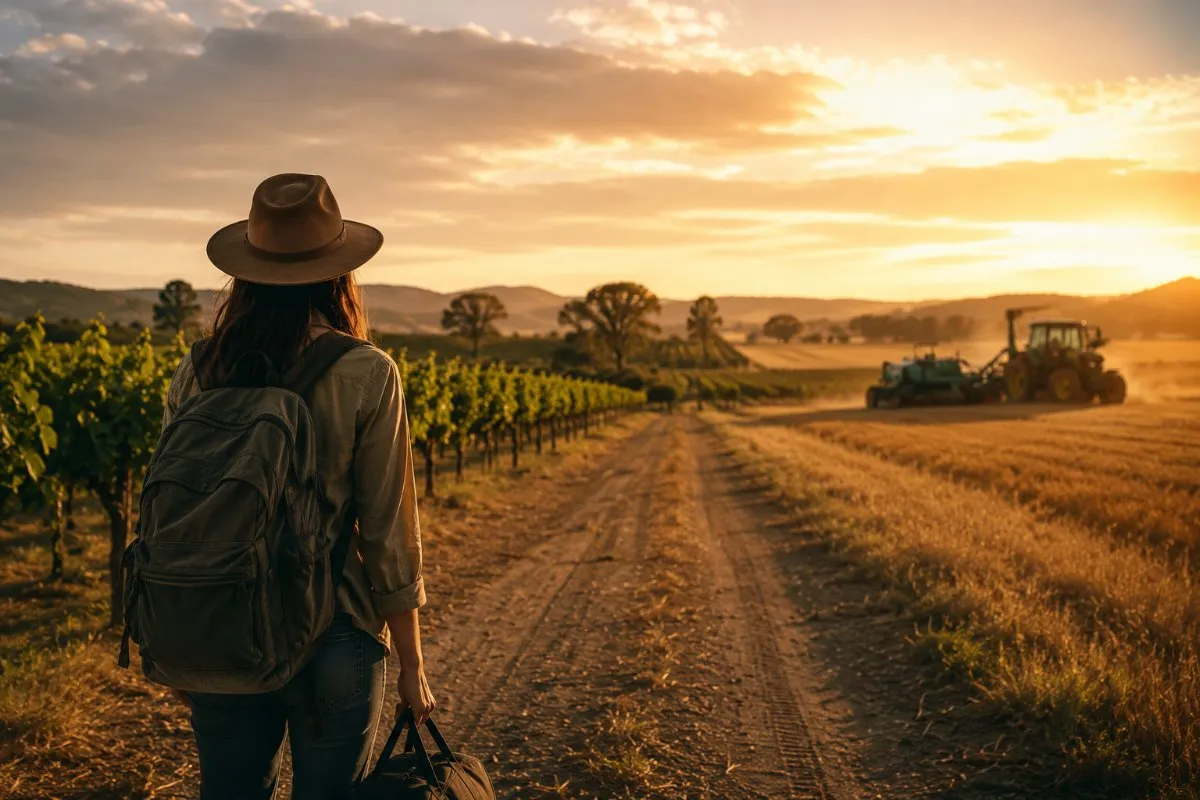
If you keep an eye on seasonal and farm work in Australia, this is an update worth understanding properly. There was no media release and no ministerial announcement. Instead, agents and employers spotted it themselves: a status field on a government website now showed Working Holiday Maker applications from twenty-four countries as "paused". Official confirmation came later.
Nobody was warned in advance, industry was not consulted, and there was no transition period. The change simply appeared, and it happened to arrive just as harvest season was getting close. Let us walk through what that means on the ground, and why the people living and working in regional communities are the ones feeling it first.
A long and surprisingly varied list
The paused countries are not a small handful. From the South American side there are Argentina, Brazil, Chile, Peru and Uruguay. A big group of European nations appears too, including Austria, the Czech Republic, Greece, Hungary, Poland, Portugal and Switzerland. Closer to our own region, Indonesia, Malaysia, Thailand and Papua New Guinea are on it as well, so Southeast Asian and Pacific source countries are affected alongside everyone else.
That variety is the interesting part. It makes it hard to say the pause is about one troublesome country or one visa integrity issue. These markets have historically carried very different risk and compliance profiles, yet the change appears to treat them in much the same way. Read like that, it looks less like a targeted fix and more like a general tightening.
Harvest work runs on nature's clock
Anyone who has done farm work, whether back home in the Philippines or somewhere overseas, knows that crops do not wait for paperwork. For regional Australia, working holiday visas are not a minor side detail. They are part of the basic structure that keeps the local economy moving.
Think of the vineyards in the South West, the grain properties in the Wheatbelt, and orchards where the picking window is counted in days rather than months. These businesses rely on a steady, predictable flow of short-term workers who turn up when the fruit or grain is ready, then move on before the next region's harvest starts. Government timelines and growing seasons rarely line up on their own.
So when that flow stops for even a few weeks at the wrong time, the result is very real. Fruit stays hanging on the trees. Grain sits in the field past its best harvest window while growers wait for staff who should already have been out in the paddock.
Growers were already stretched
This shock is landing on an industry with very little spare room. Grain growers have been dealing with higher fuel and fertiliser costs linked to global supply disruption. Some parts of the country are also facing drought conditions and problems with feral animals. Adding a sudden shortage of workers just before harvest is not a small inconvenience on top of all that. It piles one risk onto another for a sector that is already under strain.
Farmers who were hiring for the season say they noticed far fewer working holiday candidates in their applicant pool well before the government confirmed that any pause was in place. In other words, people on the farms felt the disruption before Canberra acknowledged it.
Looking at the politics behind it
One way to read the situation is fairly familiar. The government is under pressure over record net migration, and it has reached for a lever that is easy to see and easy to pull, even if that lever is not actually connected to where the pressure sits. Working holidaymakers are not crowding into rental markets in the capital cities or putting heavy strain on big-city infrastructure. Census and visa-holder data have long placed them mostly in the same regional postcodes that are now warning about the impact.
There is a second thread worth knowing about. Regulators have been working to strengthen protections for workers under the Pacific Australia Labour Mobility (PALM) scheme. There is an acknowledged concern that stricter PALM standards lead some employers to use backpacker labour instead, as a way around those protections. If that concern is part of the reason for the pause, then the WHM slowdown may have less to do with migration numbers and more to do with nudging farm employers back towards one particular labour channel. Meanwhile, the regions that depend on backpackers carry the cost of that shift.
Why sudden changes make planning so hard
When migration policy changes through an unannounced status update instead of open consultation, it is very difficult for any industry to plan. Regional employers, agricultural bodies and tourism operators now have to respond to a decision they could not see coming, at the time of year when they have the least time to react and when delays cost the most.
Whatever the reasoning behind it, the pattern deserves attention. Settings that affect regional labour supply are more and more often being adjusted with little warning, and the sectors hit hardest are usually not the ones the changes were meant to address.
A friendly takeaway for workers
If you are considering farm, harvest or regional work in Australia, kapatid, build some flexibility into your plans. Check visa information directly on official government pages rather than relying on social media posts or word of mouth, and keep your timelines realistic, since settings can shift without much notice.
#working holiday visa pause #whm visa australia #australia backpacker visa delay #regional australia labour shortage #agriculture visa australia #farm worker visa australia #grain harvest labour shortage #australia migration policy 2026 #seasonal workforce australia #department of home affairs visa pause #palm scheme australia #net migration australia #australia visa processing delays #backpacker visa countries list #tourism industry labour australia
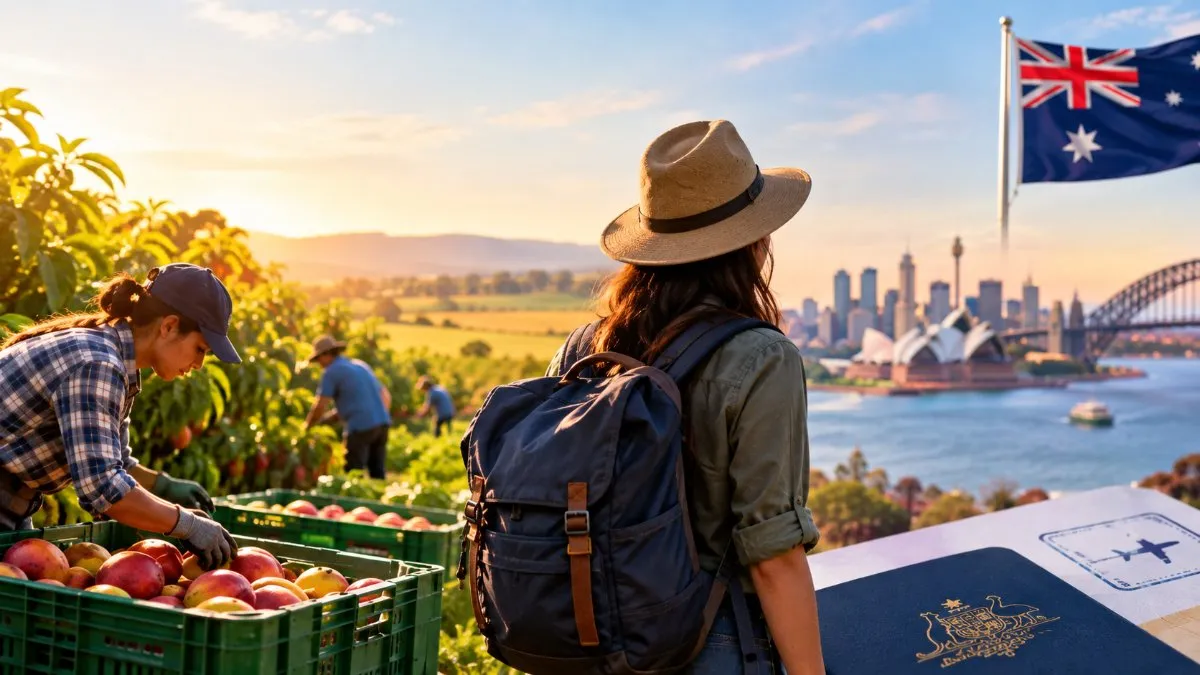 Dreaming of Farm Work in Australia? Here's How the New Working Holiday Rules Change Things
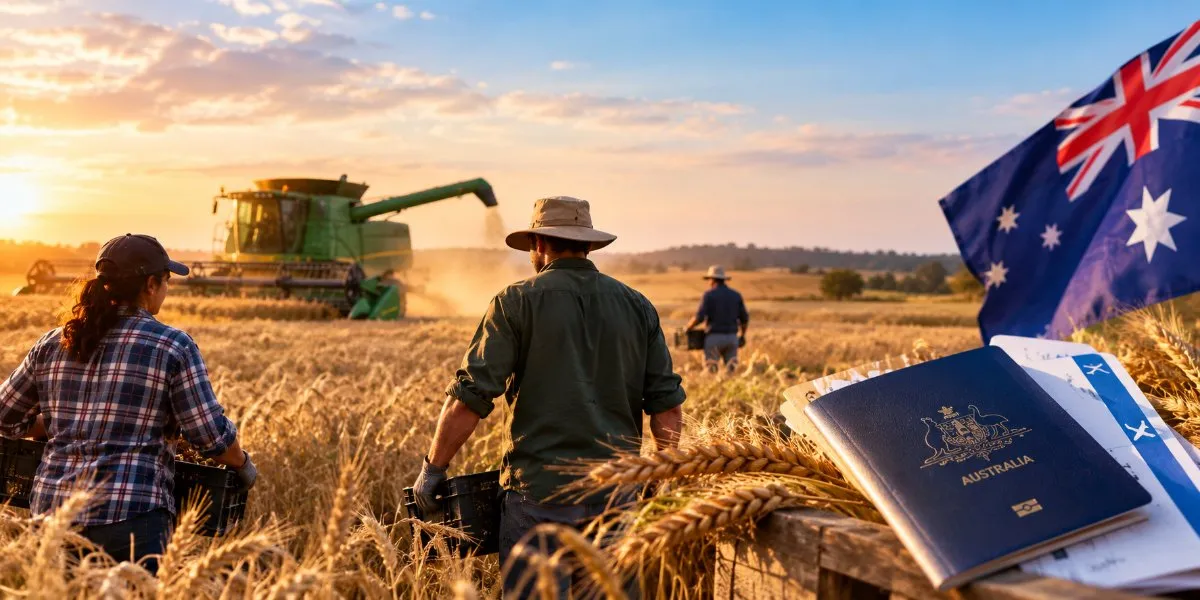 Harvest Time in Australia: A New Fast-Track for Urgent Farm Worker Visas
 Planning to Study in Australia With Your Family? What the Proposed Changes Could Mean for You