Australia Needs Builders, But It Also Needs Better Building Sites: What Skilled Workers Should Know
News · 2026-08-20 · 4 min read
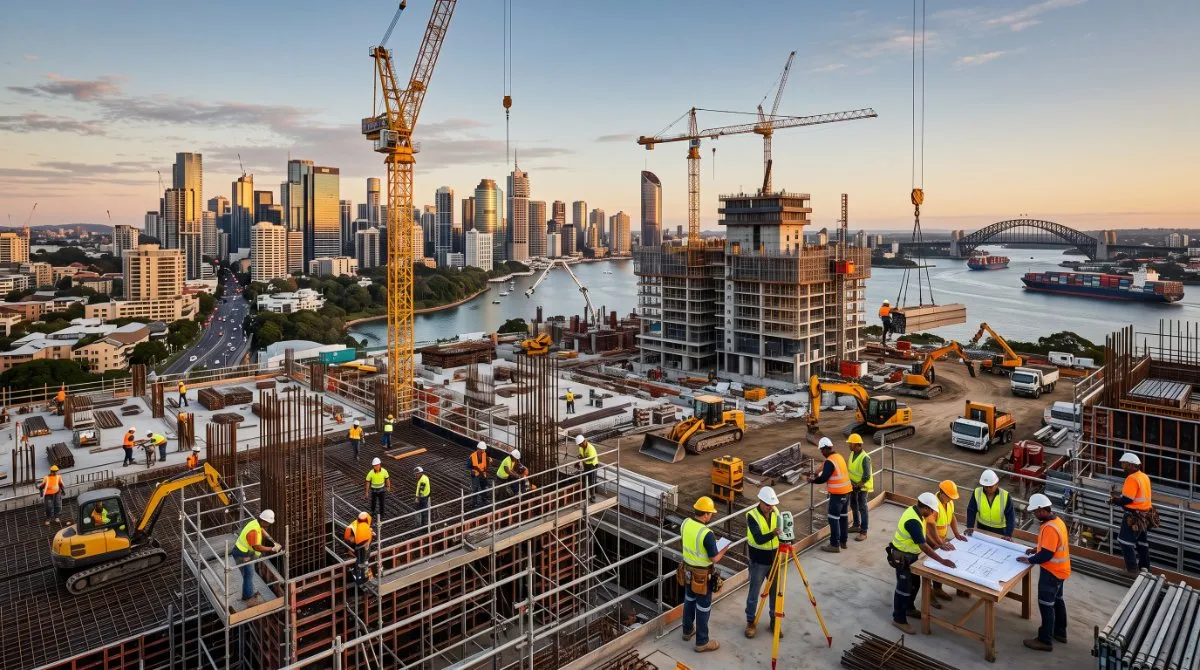
If you have been following construction jobs in Australia, you have probably heard the same message again and again: the country is short of workers. Vacancy listings keep piling up, projects run late, and industry groups warn that the skills gap is getting wider. For a long time, the usual answer has been to push for more of everything, whether that means more apprentices, more visas or simply more people on site.
Lately, though, many leaders in the industry are asking a different question. Instead of only counting heads, they want to know how well the workers already in Australia, and those arriving, are being placed, trained and supported so they can work efficiently. For anyone thinking about a construction career in Australia, whether you are building in the Middle East today or back home in the Philippines, this shift is worth understanding.
Skills Are Wasted When the System Slows Everyone Down
Output per construction worker has barely moved, and on some measures it has actually dropped, even though digital tools have changed nearly every other part of the economy. Slow approval steps, piles of red tape and regulators that do not match the size of the projects they supervise all chip away at what each hour on site is worth.
Here is why that matters to you. Bringing tradespeople and engineers in from overseas only fixes part of the problem. If the workplace you join runs on inefficient systems, even a highly capable worker ends up underused. Picture a bricklayer stuck for half a day waiting for paperwork to be approved. No matter how good that bricklayer is, those lost hours do not add to productivity.
Why Everyone Is Talking About Change Right Now
The sector has just come through a stretch of very heavy construction spending that stretched it to breaking point. Now that government budgets are tighter, people are being forced to rethink how things are done. Federal authorities are holding consultations on new national construction standards, and contractors, unions and clients rarely agree on anything, yet they share the view that the current setup needs to change.
For people on migration pathways, this is an important time. Many in the industry argue that well-designed national standards could make it simpler to recognise overseas qualifications, to plan onboarding and to help newcomers settle into project teams. Migration agencies and employers who sponsor workers from abroad have good reason to push for standards that work in practice and are not just for show.
New Rules Are Not a Magic Fix
Past experience gives a warning. Quick fixes in construction have often produced a short lift without dealing with the deeper causes. If the new standards are not backed by real enforcement, clear benchmarks that can be measured and steady application, the old inefficiencies are likely to return. When that happens, the same shortages come back too, because a system that wastes effort keeps needing extra people to make up for it.
This is where recruitment and migration specialists can do more than fill empty roles. When the right migrant workers are matched with well-organised projects, and when contracts are transparent and there is a clear way to resolve disputes, the industry benefits far more over the long run than it would from sheer numbers of new arrivals.
A Healthy Business Means a More Stable Job for You
Behind all of this sits a simple economic point. A construction business that is not earning sustainable margins cannot afford to invest in training, technology or better systems, and it cannot give migrant workers the steady career that makes moving abroad worth it. Productivity and viability go hand in hand.
So when consultants and employers talk to people considering a skilled visa, saying that jobs are available is not enough. The real question is whether those jobs are part of a well-managed project that actually functions, because that is what decides whether the move works out over time for both the worker and the sponsoring business.
Reform Could Open Better Doors
Governments, industry and unions now broadly agree that reform in construction is overdue, which does not happen often. That agreement gives everyone a chance to rethink not only the regulations but also how skilled migration fits into the bigger productivity picture.
In short, the industry needs more than extra people walking in the door. It needs the systems, standards and support that allow every worker, local or migrant, to do their best once they are on the job.
Your Takeaway
When you look at construction offers in Australia, take time to ask about the project itself: how it is organised, what your contract says and how problems are handled. A well-run site is where your skills, and your sacrifice in moving abroad, will count the most. Kaya mo 'yan!
#construction workforce shortage #skilled migration australia #construction industry productivity #construction labour crisis #skilled visa construction jobs #australia construction skills gap #construction industry standards #migrant tradespeople australia #construction sector reform #workforce planning construction #construction recruitment agency #overseas qualifications recognition #construction industry regulation australia #sponsoring skilled workers construction #construction industry viability
 Fix the System, Keep the Doors Open: Ai Group's Skilled Migration Asks Explained for Workers and Employers
 Australia Still Needs Skilled Workers: What the Talent Gap Means for You
 Welders Wanted Down Under? What a New Industry Survey Could Mean for Overseas Tradies Like You