Working in New Zealand's Orchards and Packhouses? How the Horticulture Training Changes Could Affect You
News · 2026-09-01 · 4 min read
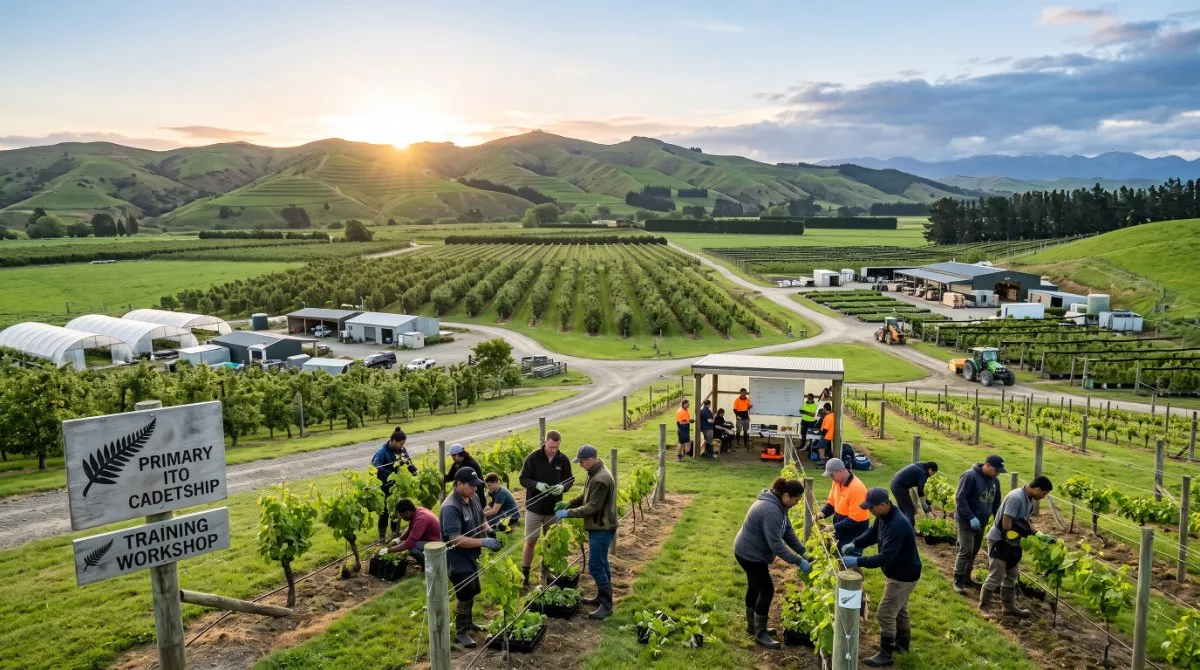
Many workers from the Philippines and other countries have built their overseas careers picking fruit, packing produce and caring for plants in New Zealand. If that sounds like you, or if you are an employer who depends on visa-sponsored staff for your orchard, packhouse or nursery, there is news in the training world that is worth following.
Work-based horticulture training is being taken out of Te Pūkenga from 1 January 2026 and handed to a new, temporary organisation called the Food and Fibre Industry Skills Board. This is the latest step in years of reorganising New Zealand's vocational education system. It affects who receives training and how it is delivered, and, importantly for anyone on a visa, whether visa holders will be able to join that training at all.
A possible door opening for visa holders
Most reports about this change talk about funding, enrolment figures and what motivates training providers. The part that matters most for migrant workers gets less attention. The sector's new Food and Fibre Workforce Capability Strategy includes a proposal to restore training eligibility for workers on work visas.
This is a big deal. Much of New Zealand's fruit and vegetable production depends on migrant labour, yet the current settings have made it harder for visa holders to upskill through recognised, work-based qualifications. If that barrier is removed, migrant staff could move up from general labouring into skilled roles with better pay. The worker grows their career, and the employer keeps trained people instead of always starting over with new hires.
Why the industry needs workers from abroad
The figures speak for themselves. Work-based enrolments in fruit and vegetable training dropped by roughly two-thirds between 2021 and 2024. Add an ageing local workforce and long-running skill shortages, and it is easy to see why horticulture relies so much on international workers to fill the gaps that formal training is not currently covering.
This creates an awkward situation for employers and migration advisers: the industry that most needs a steady, skilled team is the same one where training pathways are the least steady right now.
Key dates to remember
| Timing | What happens |
|---|---|
| Now until end of 2027 | Primary ITO keeps delivering work-based horticulture training as a holding arrangement, looking after around 1,500 current enrolments across the country. |
| By June 2027 | The current arrangement stops taking any new enrolments. |
| By 2028 | Work-based learning is expected to be delivered by regional polytechnics and private training providers, while the Skills Board steps back to setting standards only. |
That is not much time. Industry groups, including Horticulture New Zealand and Primary ITO, warn that without a clear plan, providers might decide not to offer smaller qualifications that do not make them much money, even when the industry badly needs them.
What could be lost for migrant workers
If regional polytechnics and private providers only choose the training that pays best, specialised horticulture courses could slowly disappear. These include the very qualifications that can give migrant workers a path towards skilled visa categories or residence pathways linked to recognised trade qualifications.
Employers sponsoring visa holders should start thinking about one practical question today: if your current training partner cannot promise a pathway through 2027 and beyond, what is your back-up plan?
Some good news from Pukekohe
It is not all worrying. Primary ITO's Horticulture Cadetship Programme was piloted in Pukekohe and is now growing into the Bay of Plenty. It shows how a stronger model might work. Apprentices are grouped with peers, take part in shared study sessions, and have a dedicated advisor who handles training compliance for the employer. For businesses balancing visa sponsorship duties with daily operations, this kind of support could make formal training much easier to manage.
Stay informed, kabayan
The horticulture workforce strategy in New Zealand has reached a real crossroads. The sector could end up with a stronger and more flexible training system that clearly includes migrant workers, or with a scattered mix of options shaped by short-term business choices. Which way it goes depends on how fast government and industry can agree over the next 18 months.
If you are working in horticulture on a visa now, or planning your next move, keep an eye on these updates and ask your employer how your training will be handled. The pathway you count on today could look quite different by 2028, so it pays to stay prepared.
#new zealand horticulture jobs #work visa horticulture nz #migrant workers agriculture nz #horticulture skills shortage nz #primary ito training #food and fibre industry skills board #work-based learning nz #nz visa sponsorship agriculture #horticulture apprenticeship nz #nz seasonal worker visa #skilled migrant horticulture #nz vocational training reform #orchard worker visa nz #agriculture workforce nz #nz immigration horticulture sector
 Filipino workers with admin and data skills: what Australia's AI shift means for your plans
 Opposition graduate visa proposal: a calm guide for Filipino students in Australia
 Australia's migration debate: the Coalition's cut proposal explained for Filipino workers