Planning a Move to Australia? A Friendly Guide to Tony Burke's Tighter Migration Rules
News · 2026-09-19 · 5 min read
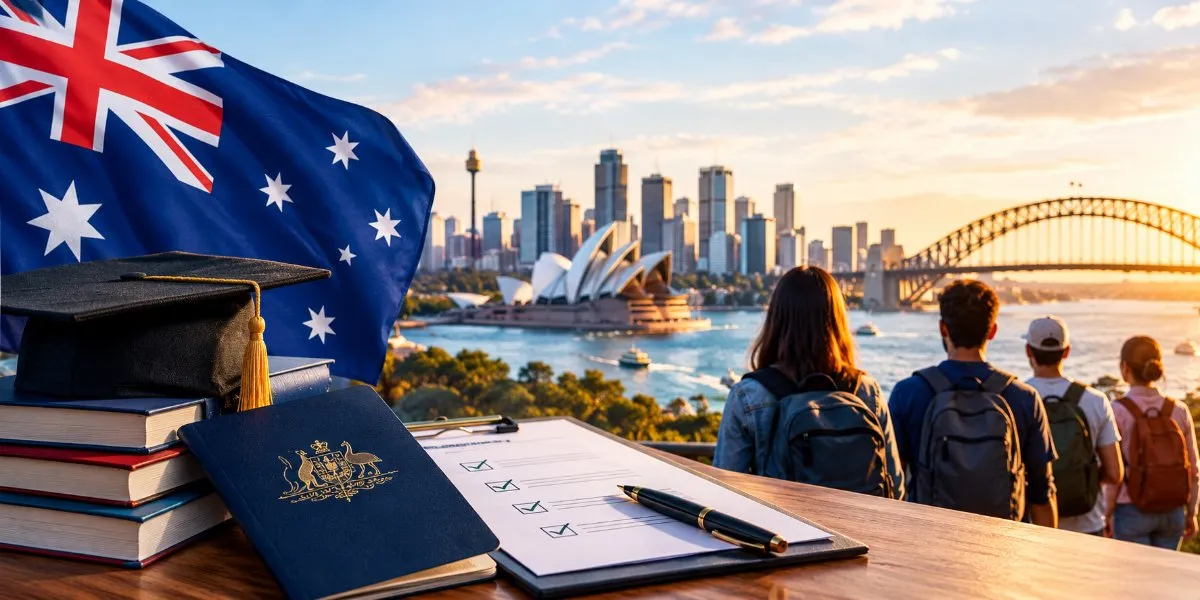
If Australia is on your list of dream destinations, this is a good moment to slow down and read the fine print. The country's immigration settings are moving into a new phase, and the signal coming out of Canberra is very clear: the government wants firm control over the numbers again.
At the National Press Club, Home Affairs Minister Tony Burke set out a wide package of changes aimed at bringing net overseas migration down to set targets instead of loose projections. Those targets are 245,000 this financial year and 225,000 the next. Whether you hope to study, work in a skilled job or travel as a backpacker, and whether or not an agent is helping you, these changes will affect your plans in practical ways.
The Simple Idea Behind Every Change
Burke built the whole package on one test, often summed up as matching the right visa to the right purpose. A temporary visa is meant for a temporary stay and a permanent visa for a permanent one. If neither describes your situation, you are expected to leave. It sounds easy, but how it works in practice will reshape several routes that migrants have counted on for years.
Encouraging News for Tradespeople and Skilled Workers
Trades, construction in particular, are getting a long-awaited lift in the points test, and will now carry weight comparable to university qualifications. Ministerial Direction 119 is also being adjusted so that processing is prioritised for construction, healthcare, agriculture, fisheries and teaching roles.
This undoes some of the backlash from an earlier directive that had sent offshore skilled applications to the back of the line, stretching processing times past a year in some cases. If your experience is in any of those fields, take note.
Backpackers Will Now Enter a Ballot
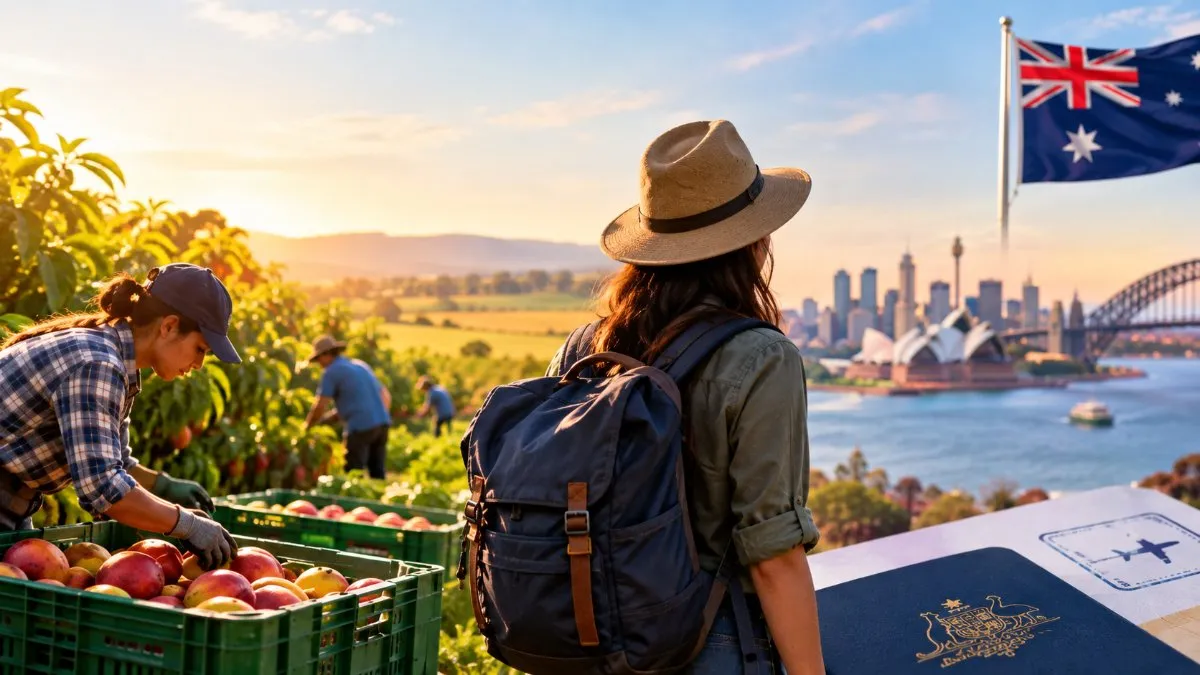
The Working Holiday Maker program is being restructured. For most countries, processing speeds will go back to normal. Staying longer than the first year, though, will now depend on being picked in a ballot:
- Second year: limited to 45,000 places, and 88 days of regional work are still needed before you can join the draw.
- Third year: only 5,000 places, and six months of regional work are required.
The UK is a notable exception. Under its Free Trade Agreement, regional work is not required. Since the FTA took effect, UK backpacker numbers have climbed from roughly 17,000 to nearly 80,000, so that visa stream will be kept deliberately slower.
Students: Choose Your Course Carefully From Day One
One of the biggest changes targets what officials describe as “visa hopping.” This is when students move between institutions or course levels, often as a way to lengthen their time in Australia rather than to genuinely progress in their studies. Here is what changes:
- Anyone who wants to switch course providers will have to apply for a completely new visa.
- Once a course is finished, students may only move up to a higher qualification level (for example, a bachelor's graduate can go on to a master's), never sideways or down.
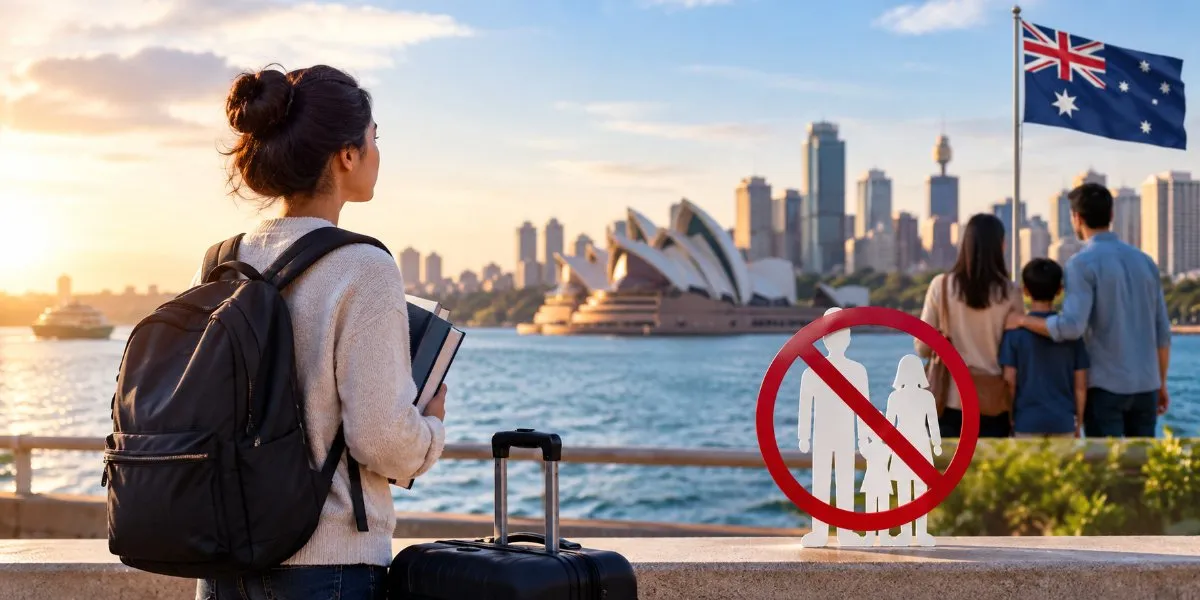
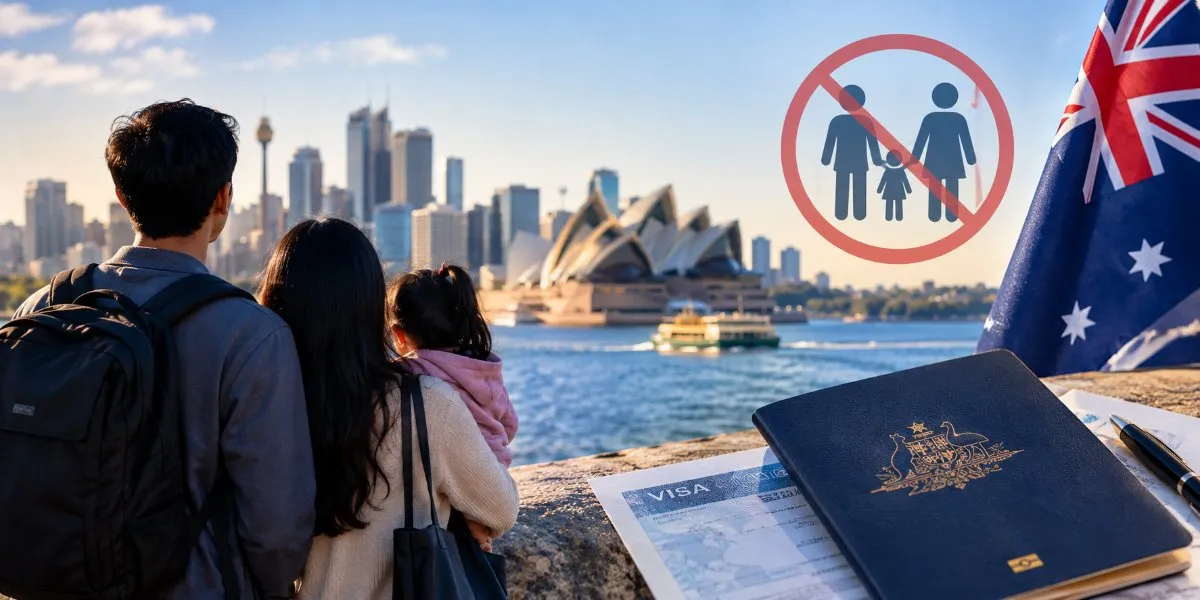
- Most international students will no longer be able to bring family members on their visa. Exceptions remain for Pacific and ASEAN nationals, PhD candidates, and families already settled in Australia.
For students and education agents alike, this means the first course decision now matters far more. The “I'll sort it out later” approach no longer works.
Firmer Action on People Breaking Visa Conditions
Burke's plans also cover people already in Australia who are not following their visa conditions:
- 100 additional compliance officers and 250 new detention beds.
- A former quarantine facility in Melbourne that may be repurposed.
- A push to bring back pre-2015 detention practices to discourage overstaying.
- New sanctions for migration agents who push clients to lodge weak or “non-meritorious” claims.
Looking at the Bigger Picture
Burke firmly rejected the idea that Australia is going through “mass migration.” He noted the country is on track for 700,000 fewer people by 2030-31 than pre-pandemic forecasts had predicted. He also challenged the popular line that Australia brings in “yoga teachers instead of construction workers,” pointing out that 15,000 construction workers arrived under Labor while zero yoga instructors did. The yoga listing itself, he said, traces back to a trade arrangement with India made by a previous government.
The larger lesson is that migration policy is moving away from a demand-driven model towards a controlled, quota-based one. That affects when to apply, which pathway to pick, and what outcomes are realistic.
Kaya Mo 'Yan: Final Tips Before You Apply
Whether you are heading to Australia to study, to work in a skilled role or for a working holiday, the safest approach now is to commit early to one clear, direct pathway instead of expecting room to change direction later. The system is being redesigned specifically to close the loopholes that this flexibility once opened. Prepare your documents carefully, check every requirement against official information, and give yourself plenty of time.
#australia migration changes #net overseas migration 2026 #tony burke immigration policy #australia visa hopping crackdown #international student visa rules australia #working holiday maker ballot system #australia skilled migration points test #backpacker visa australia 2026 #australia visa overstayer crackdown #student visa family sponsorship australia #australia immigration detention policy #ministerial direction 119 skilled visa #australia permanent residency pathway #australia migration agent regulations #australia housing crisis immigration policy
 Dreaming of Farm Work in Australia? Here's How the New Working Holiday Rules Change Things
 Studying in Australia With Your Family in Mind? Here Is What the Dependant Visa Changes Mean
 Studying in Australia With Your Loved Ones? Key Points From the Upcoming Visa Reforms