Electricians Wanted: How Australia's Energy and Data Centre Push Opens Doors for Skilled Workers
News · 2026-09-05 · 4 min read
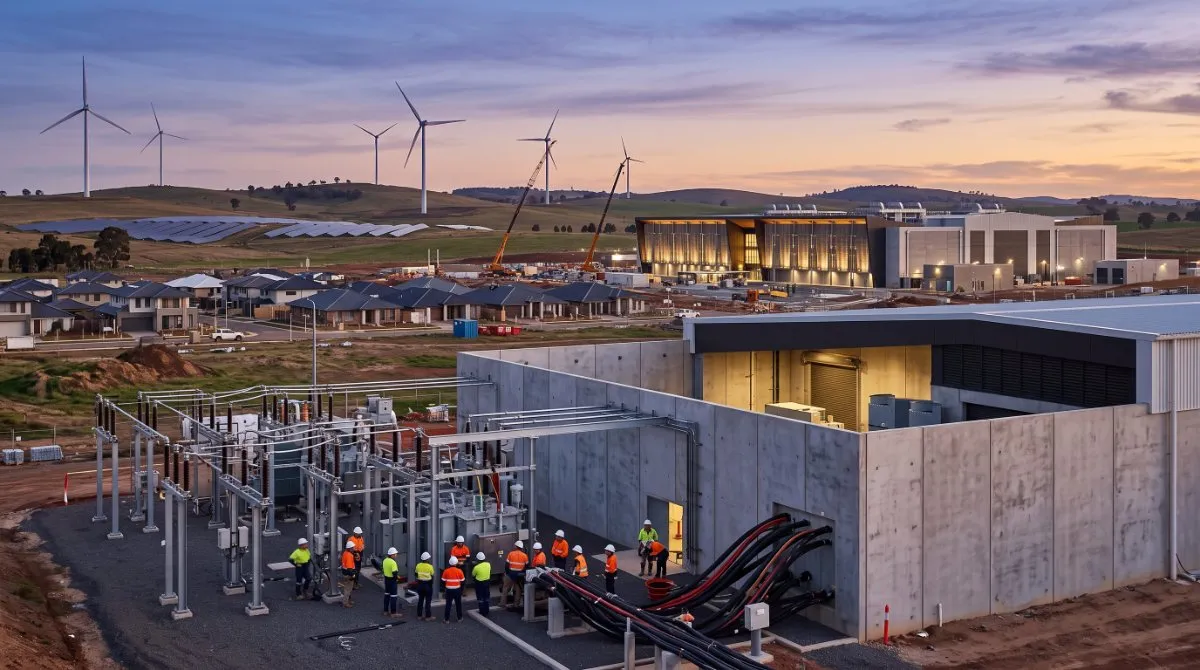
If you work as an electrician or in the energy trades, Australia's AI infrastructure boom deserves a careful look. It is quietly opening one of the largest windows for skilled migrants seen in a decade, and plenty of visa hopefuls have not caught on yet.
News stories tend to talk about housing affordability and the renewables rollout. A new report from the Powering Skills Organisation (PSO), however, highlights a deeper issue: the country does not have enough electricians and energy trades workers to deliver everything it has committed to. Homes, data centres and clean energy projects are all chasing one small group of tradespeople, and the race keeps getting tighter.
Whether you are wiring buildings in the Middle East today or working back home in the Philippines, this is more than an economics headline. It is a sign worth reading carefully.
A closer look at the numbers
According to the PSO's research, Australia needs about 72,000 more electricians, technicians and related tradespeople by 2030. Only a year before, the same organisation put the gap at 42,000. The main reason for that big jump? Data centres.
Treasury figures suggest the data centre construction pipeline will be worth around $150 billion by 2030. More than 160 data centres are already running, with another 130 coming through, and this sector on its own is expected to need an extra 13,000 energy trades workers.
Now add the Housing Accord's target of 1.2 million new homes, plus the continuing shift to renewable energy. That gives you three huge national projects pulling from one limited pool of workers at once, and none of them is slowing down.
What employers in Australia are going through
Inside Australia, the shortage has turned into a bidding war over wages. Employers keep losing staff to higher offers. Big infrastructure projects "poach" apprentices before they have even finished their training. Small electrical contractors, who do much of the training of new tradespeople, watch experienced workers leave for data centre jobs with pay and conditions those smaller firms simply cannot offer.
This is where skilled migration stops being an afterthought and becomes part of the answer. Apprenticeship completion sits at a solid 70%, yet that still does not produce enough new workers quickly enough. When local training cannot keep up, employers and policymakers start looking overseas. Industry bodies are already asking for structural fixes, such as hiring quotas on major projects and compensation schemes for smaller businesses that lose trained staff, which shows how much attention trades capacity is getting.
Why this can work in your favour
For overseas electricians, instrumentation technicians and energy trades workers thinking about Australia, this focus brings real benefits:
- Steady, long-lasting demand, not a brief spike linked to one project or one election cycle
- More than one way in: housing construction, renewables projects and data centres all need the same core skills
- Chances outside the big cities, because large builds are often located away from major capital cities, where competition for jobs and visas can be less intense
- Employers with a reason to sponsor, since businesses unable to fill roles locally have a direct financial incentive to consider skilled visa pathways
Things to keep an eye on
If you are an electrician, energy technician or related trades worker planning a move, here are some developments to follow over the next 12–18 months:
- Workforce guidelines for data centre developers. Since March, Canberra has been encouraging operators to invest in local training pathways. If formal skills or hiring requirements end up attached to major projects, they could influence which employers recruit from overseas.
- Changes to occupation lists. A shortfall this large often feeds into later revisions of skilled occupation lists and priority migration pathways, so watch how electrical and energy trades are treated.
- Training and apprenticeship incentives. The current $10,000 clean energy apprenticeship incentive shows the government is willing to fund workforce growth. Look out for any similar support connected to recognised overseas qualifications or bridging programs.
- Where the projects are. Many renewables and data centre builds are outside capital cities, which may fit well with regional skilled visa streams and the advantages they carry.
A hopeful note for skilled workers
Australia has big plans but not enough hands to deliver them. Three of its largest national priorities are now competing openly for the same tradespeople, and that pressure is not expected to ease soon. If your skills are in electrical or energy trades, this is an opening, not a warning. Take time to get your qualifications and documents in order, check official sources for the latest visa settings, and plan your next step with confidence. Your hard-earned experience could be exactly what these projects need.
#skilled migration australia #australia electrician shortage #data centre jobs australia #skilled visa australia electricians #australia skilled occupation list #energy trades jobs australia #migrate to australia as an electrician #australia data centre boom #skilled trades visa australia #australia housing accord workers #clean energy jobs australia #australia apprenticeship shortage #regional skilled visa australia #australia workforce shortage 2030 #migrate to australia tradesperson
 Building Firms Are Closing in Australia: What It Could Mean for Skilled Tradespeople Abroad
 AI Is Changing Office Jobs: How to Choose a Safer Path to Work in Australia
 Canberra's Bricklayer Shortage: A Real Opening for Qualified Tradies from Overseas