A Family's Fight to Stay Together: What New Zealand's Health Rules Can Mean for Migrant Children
News · 2026-08-21 · 5 min read
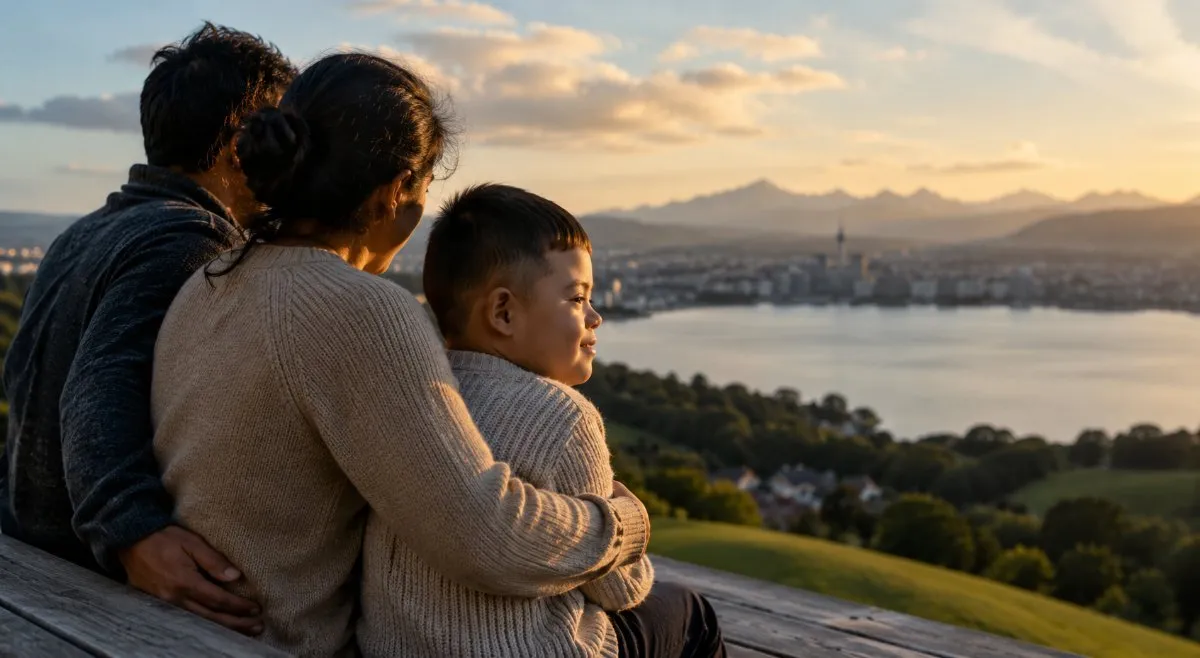
Many families who move abroad for work dream of building a secure life together, and New Zealand is known for welcoming skilled migrants along with their loved ones. A recent matter before the Immigration and Protection Tribunal, though, has raised a hard question for families everywhere: what if the health rules end up hurting the very children they are supposed to protect?
Meet the Family at the Heart of the Dispute
At the centre of this story is an 11-year-old boy who has Down syndrome. His residency case has won public sympathy and put New Zealand's medical waiver system under the spotlight once more.
The family moved from Sri Lanka. In her testimony to the tribunal, his mother explained that back there her son was treated as an outcast instead of a child. People told her he was a punishment for things done wrong in a past life. Hospital staff pushed him to one side in waiting rooms. In the end, she could not enrol him at a local school because other parents objected to him being there.
This history is important, because it is a big part of the reason the tribunal is now asking New Zealand's immigration minister to step in.
How the Health Assessment Turned Out
Immigration New Zealand (INZ) checked the boy against the country's usual health requirements. It decided he did not meet them, and that he could not get an exception either. Take note: this was not about how he copes with daily life. A paediatrician confirmed he has no heart conditions, which show up in roughly four in ten Down syndrome cases, and that he eats and goes to the toilet on his own.
The real concern was support at school. INZ expected he would probably need help through the Ongoing Resourcing Scheme (ORS), and counted this as a likely cost to the public education system. The tribunal agreed that, going strictly by the rules, INZ had made the correct call. That was not the end of the story, however.
Looking Beyond the Rulebook
What stands out here is not some legal loophole. The tribunal chose to look past a technically correct decision and think about what enforcing it would cost this family. It noted their specific and well-documented experience of discrimination, and found that sending the boy back to Sri Lanka would not be a neutral result. It would mean returning him to a place where his community, his school and even some of the health workers who should have cared for him had openly turned him away.
Keeping the family together was another key factor, and tribunals are giving this more and more weight. The boy's father has to keep working in New Zealand to support the household. Everyone else in the family, including a younger sister who says her brother means everything to her, already holds permanent residency. Deporting him would not simply move one child somewhere else; it would split the family across two countries.
The tribunal concluded that staying with his loved ones in New Zealand is what is best for the boy. It has formally asked the immigration minister to give him a residence-class visa as a one-off exception.
Health Rules and Families: Finding the Balance
This case brings together two areas that do not always connect well: disability rights and health screening for immigration. New Zealand's “acceptable standard of health” test exists to manage the pressure on public services, and on paper that is a reasonable aim. Still, cases like this one show how a blanket test based on cost can lead to results that feel out of proportion, especially when a family has already built a life, a support network and community ties in New Zealand.
Lessons for Families Facing Something Similar
- A medical waiver is never automatic. It is up to the decision-maker. Having good clinical facts does not mean you pass INZ's cost threshold, and the ORS funding question is where a lot of disability-related cases get stuck.
- Ministerial exceptions are there for a reason. A tribunal recommendation does not promise a happy ending, but it carries real weight when a case shows clear harm or family separation.
- Your lived experience matters, so write it down. The mother's detailed account of discrimination in Sri Lanka was central to how the tribunal reasoned. Specific, well-supported testimony can change how a case is viewed, even when the rules themselves were applied “correctly”.
Words of Encouragement for Families on the Move
The final decision is now in the hands of the minister of immigration. For any family, whether you come from the Philippines or anywhere else, the lesson is to prepare with care: gather medical reports and records early, keep honest notes about your experiences, and get advice from a licensed immigration adviser before you apply. Keeping your family together is worth that extra effort.
#new zealand immigration health waiver #down syndrome visa new zealand #acceptable standard of health inz #immigration and protection tribunal new zealand #ors funding immigration #disability discrimination immigration case #new zealand residency medical waiver #family separation deportation new zealand #ministerial exception visa nz #disabled child visa denial #immigration new zealand medical assessment #sri lanka new zealand migration #special needs immigration policy #new zealand visa appeal tribunal #disability rights immigration law
 Filipino workers with admin and data skills: what Australia's AI shift means for your plans
 Opposition graduate visa proposal: a calm guide for Filipino students in Australia
 Australia's migration debate: the Coalition's cut proposal explained for Filipino workers